
If you’ve ever caught a whiff of something funky under your sink or noticed water collecting where it shouldn’t, chances are your P-trap is the culprit. It might seem like a small, curved piece of pipe, but this little component does some heavy lifting in your plumbing system. Whether you’re installing a new sink or replacing an old, leaky trap, understanding the basics of P-trap installation is key to maintaining a healthy and efficient home.
At Izzy Plumbing, we’ve walked countless homeowners through this very task, either in-person or by offering advice tailored to the needs of local residents in San Luis Obispo. Whether you’re a DIY enthusiast looking to tackle a plumbing project over the weekend or a renter troubleshooting a drain issue on your own, this guide has you covered.
Installing or replacing a P-trap is a manageable DIY project that most homeowners with basic plumbing skills can complete in a short amount of time. We’ll walk through each step, explain the tools and materials you need, and highlight what to watch out for during the process.
Most importantly, we’re here to make plumbing simple and efficient, not intimidating. With this article, you’ll not only gain the confidence to handle your own P-trap installation but also understand when it’s best to call in the pros. Ready to roll up your sleeves and learn how to install or replace a P-trap? Let’s dive in.
What Is a P-Trap?
Before you grab your wrench, it’s important to understand what a P-trap is and why it matters. A P-trap is a U- or P-shaped section of pipe that sits beneath your sink. Its curved section serves a vital function: it traps a small amount of water in its bend, which creates a seal that is specifically designed to prevent sewer gases from escaping into your home. That water barrier acts as a gatekeeper, only allowing waste water to pass through, while blocking the harmful gases lurking further down the line.
But odor prevention isn’t the only job your P-trap performs. It also serves as a catch basin for small debris. Think rings accidentally dropped down the drain or bits of food from dishwashing. This function can make it easier to retrieve lost items or address clogs without having to snake your entire drainage line.
There are several types of P-traps commonly used in residential settings:
- PVC (polyvinyl chloride) is the most common option for modern homeowners. It’s lightweight, affordable, and easy to install, making it a go-to for DIYers.
- ABS (acrylonitrile butadiene styrene) is another plastic option, often preferred for its rigidity in certain installations.
- Chrome-plated brass or solid brass is used in more visible setups, like pedestal sinks, where aesthetics matter. These are more durable and visually appealing but also more expensive.
When comparing these types, consider the material: PVC and ABS are resistant to corrosion and are lightweight, while brass offers superior durability and longevity, especially in high-use or exposed locations.
When selecting a trap, size matters. Bathroom sinks typically use 1¼-inch diameter traps, while kitchen sinks generally require a 1½-inch trap. Ensuring you have the right diameter is essential for maintaining proper flow and preventing leaks.
It’s also important to understand what a proper installation looks like. Modern building codes require P-traps to be installed with a proper vent to prevent suction (or siphoning) that could empty the water seal. This is why S-traps, which curve down and then back up without adequate venting, are often no longer allowed by code; they’re prone to siphoning, leaving the trap dry and ineffective.
In some cases, particularly with rarely-used sinks or utility fixtures, you may also need a trap primer. This device automatically injects a small amount of water into the trap to keep the seal from evaporating: helpful in laundry rooms or basement utility sinks.
The P-trap is an essential component of your home’s drainage system, connecting your sink to the rest of the plumbing and ensuring wastewater flows properly. A functional drainage system is crucial for preventing leaks, odors, and sewer gas infiltration, keeping your home safe and sanitary.
In other words, the P-trap is much more than a simple pipe. It’s a key player in your home’s overall hygiene and safety. Understanding its components and functionality sets the stage for a successful installation, whether you’re working on a bathroom sink trap installation or handling a kitchen sink P-trap replacement in a high-use area.
Tools, Materials & Prep Checklist
Before jumping into your P-trap installation, make sure you have everything you need on hand. A well-prepared workspace and the right tools will make the job smoother and reduce the chance of delays or mistakes.
Be sure to select a new trap that matches the required size and material for your sink to ensure a proper fit and secure seal.
Tools You’ll Need:
- Adjustable wrench or channel-lock pliers – For tightening slip nuts and fittings.
- Pipe cutter or hacksaw – To trim any pipe segments to the correct length.
- Bucket or basin – To catch residual water when removing the old trap.
- Tape measure – For accurate measurements to ensure proper alignment.
- Utility knife – For trimming plastic burrs or tape.
- Rag or towel – To clean up drips or wipe connections.
- Flashlight or work light – Sinks and vanities often have poor lighting underneath.
Materials Checklist:
- P-trap kit – This typically includes a J-bend, trap arm (also called the wall tube), slip nuts, and washers.
- Tailpiece extension – If your existing sink tailpiece doesn’t align well with the trap, you may need an extension.
- Plumber’s tape (Teflon tape) – To ensure leak-free threaded connections.
- Plumber’s putty or silicone sealant – Occasionally needed for sealing joints or sink flanges.
- PVC cleaner and cement – Only if you’re gluing components instead of using slip fittings (rare in trap installations but sometimes necessary).
Pre-Installation Checklist:
- Clear out the cabinet or area under the sink.Remove any stored items or obstacles that may get in your way.
- Shut off the water supply (if needed). While not always necessary for trap replacement, it’s a good precaution, especially if you’re unfamiliar with the setup.
- Place a bucket under the existing trap to prevent spills by catching any residual water. Even if the drain hasn’t been used recently, there will be some water left in the trap.
- Inspect the existing plumbing.Look for corrosion, cracks, or misalignments in the tailpiece and wall drain connection. If anything seems damaged, now’s the time to replace it.
Being fully prepared will not only make the project faster but will also help avoid mid-project hardware store runs
Step-by-Step Installation Guide
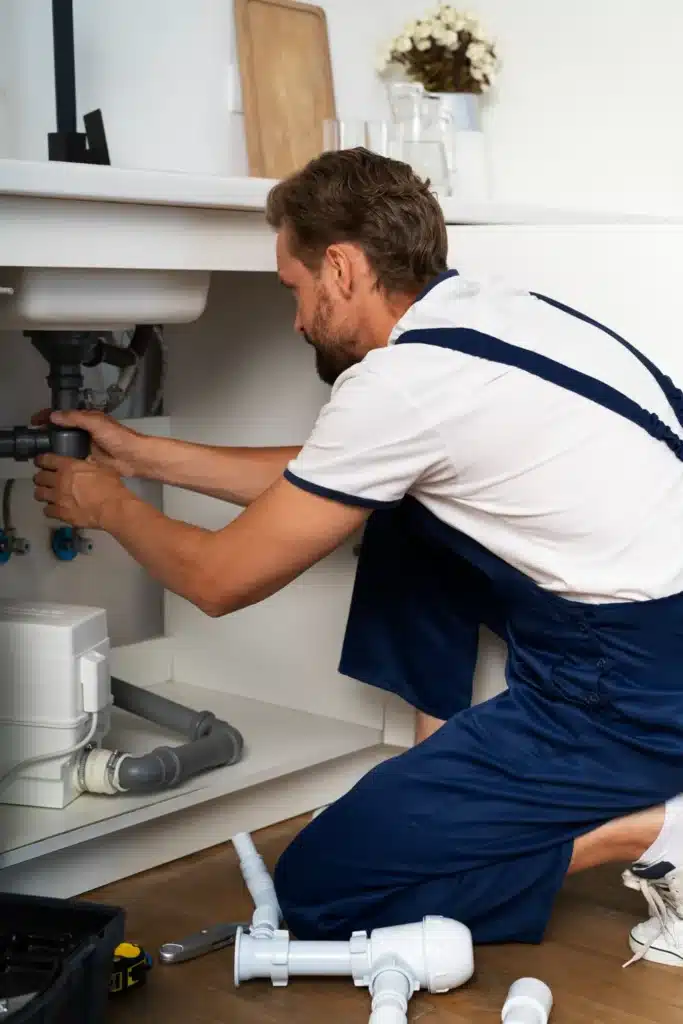
With your tools and materials ready, it’s time to get your hands dirty. Whether you’re tackling a bathroom or kitchen sink trap installation, the basic process is the same. Follow these steps carefully to ensure a secure, code-compliant P-trap installation. Make sure the P-trap is properly connected to the drain line to maintain proper drainage and prevent issues.
Step 1: Remove the Old P-Trap
- Position your bucket directly under the existing trap to catch any remaining water.
- Loosen the slip nuts on either end of the old trap using your hands or an adjustable wrench. If they’re stuck, a few gentle taps with pliers or a spritz of penetrating oil can help.
- Disconnect the J-bend from the sink tailpiece and trap arm. Set the old trap aside. If it’s plastic, you can usually recycle it.
Tip: If the existing trap is metal and showing signs of corrosion, be cautious. Overtightening or aggressive twisting can damage the surrounding pipes.
Step 2: Measure and Dry-Fit the New Assembly
- Check alignment between the sink tailpiece and wall drain. They should be level or have a gentle slope downward toward the wall.
- Measure the distance between the bottom of the sink tailpiece and the wall stub-out. Use this measurement to trim your trap arm or tailpiece extension if needed.
- Dry-fit the pieces (J-bend, trap arm, and any extensions). Make sure everything lines up comfortably and that slip nuts can be easily accessed for tightening.
Pro Tip: Maintain a gentle slope (approximately ¼ inch per foot) from the sink toward the wall drain to allow proper flow and avoid standing water in the trap.
Step 3: Assemble the New P-Trap
- Slide a slip nut and washer onto the tailpiece (with the beveled side of the washer facing down).
- Connect the J-bend to the tailpiece and loosely tighten the slip nut.
- Slide a slip nut and washer onto the trap arm, then insert it into the wall drain opening.
- Connect the trap arm to the other end of the J-bend and tighten the second slip nut by hand.
All connections should be secure but not overtightened—you want a watertight seal, not cracked plastic or warped washers.
Before finalizing the installation, perform a water run by running water through the system for a few moments to check for leaks.
Step 4: Test for Leaks and Make Final Adjustments
- Turn on the faucet and let water flow through the trap for at least 30 seconds.
- Check each connection point for leaks. If you see drips forming, gently tighten the offending slip nut about a quarter turn.
- Inspect for alignment. Make sure the trap arm isn’t putting undue stress on any connection. A misaligned setup may hold now but will leak over time.
Troubleshooting tip: If you see persistent leaks even after tightening, disassemble the joint and double-check that the washer is properly seated and facing the correct direction. Reinsert and retighten.
Optional: Adjust or Recut for Better Fit
Sometimes, even careful measurements result in imperfect alignment. If needed:
- Trim the trap arm slightly and reassemble.
- Use a tailpiece extension or flexible extension (only if necessary—rigid pipes are always preferred).
Once everything is dry, aligned, and leak-free, you’ve successfully installed your new P-trap!
Pro Tips
While most residential P-traps follow a basic installation pattern, there are a few important variations and best practices that can help you avoid common mistakes, address common issues such as leaks or misalignment, and stay compliant with plumbing codes. Following these best practices can also help prevent future issues with your P-trap installation.
Bathroom vs. Kitchen P-Traps
The primary difference between these two setups lies in the pipe diameter and sink configuration:
- Bathroom sinks typically use 1¼-inch diameter traps.
- Kitchen sinks use 1½-inch traps, as they handle a larger volume of water and more frequent use.
Make sure your replacement trap matches the existing pipe size. If you’re uncertain, bring your old trap or measurements to your local hardware store.
Avoiding S-Traps and Code Violations
Older homes, especially those renovated by previous owners, sometimes contain S-traps, a type of plumbing trap that dips down and back up again without adequate venting. The function of an S trap is to prevent sewer gases from entering the living space by maintaining a water seal, but without proper venting, these traps can lead to siphoning, where the water seal gets pulled out, allowing sewer gases to enter the home. S traps are no longer code-compliant due to this risk.
Modern plumbing codes prohibit S-traps in favor of P-traps with proper venting. If your setup looks suspiciously like an S-shape and lacks a visible vent, it may be time to call in a professional for code-compliant reconfiguration.
When Flexible Traps Are Okay (And When They’re Not)
Flexible plastic P-traps are available and can be helpful in tight or awkward spaces. However, they tend to sag, collect debris, and are often frowned upon by inspectors.
Use rigid PVC or ABS whenever possible. Only opt for flexible connections when absolutely necessary, and try to keep them short and well-supported.
Installing a Trap Primer
In drains that aren’t used regularly (like a floor drain or a utility sink in the garage), the water in the trap can evaporate over time. This leaves the seal dry and useless, letting sewer gases into your home.
A trap primer solves this by periodically adding water to the trap. These are often used in commercial settings but are also a smart upgrade in certain residential applications.
General Pro Tips for a Clean Installation
- Always test-fit before tightening anything.
- Make sure slip washers are facing the correct direction, beveled side toward the pipe opening.
- Hand-tighten, then add a slight turn with pliers. If it leaks, it’s likely a seating issue, not a pressure problem.
- Avoid overtightening plastic nuts, they crack easily.
Taking these extra precautions and understanding the variations ensures your P-trap is long-lasting and up to code.
Maintenance Tips & When to Call the Pros
Installing a P-trap is a solid accomplishment, but like any part of your plumbing system, it needs some basic maintenance to stay in top shape. Thankfully, a well-installed trap doesn’t require much attention, just the occasional checkup and cleaning.
Simple Maintenance You Can Do Yourself
- Check for leaks: Every few months (or sooner if you notice a musty smell), take a look under the sink. If you spot moisture, discoloration, or corrosion on metal traps, you may have a slow leak.
- Run water regularly: In guest bathrooms or utility sinks that aren’t used often, the water in the trap can evaporate. Run the faucet occasionally to maintain the water seal and keep sewer gases at bay.
- Flush with hot water: For kitchen sinks especially, a monthly rinse with hot water and baking soda can help dissolve grease or food particles that accumulate in the bend of the trap.
- Clean it out when needed: If the drain is slow or gurgles, remove the trap and clean it out manually. Just follow the same steps from earlier—place a bucket underneath, loosen the slip nuts, and rinse the trap outside or in a utility sink.
Signs It’s Time to Call a Plumber
Even seasoned DIYers run into trouble sometimes. Here’s when it’s smart to put the wrench down and call in a pro:
- Persistent leaks even after realigning and tightening all connections.
- Misaligned pipes or poor slope, which may require cutting and reconfiguring your plumbing layout.
- Corroded metal pipes, which can break during removal or cause long-term leaks.
- Mismatched pipe materials (e.g., connecting metal to PVC without the right adapter).
- Building code concerns, especially if you’re selling your home or doing a major remodel.
- Trap configuration issues, like back-pitched drain lines or improper venting.
Don’t worry, calling a pro doesn’t mean giving up. It means knowing when expert help is the fastest, safest way to protect your home. Izzy Plumbing can assess, adjust, or replace your P-trap installation quickly and cleanly, so you don’t have to second-guess your setup.
Where We Work
At Izzy Plumbing, we’ve helped countless homeowners in San Luis Obispo deal with everything from full bathroom remodels to emergency under-sink leaks. In fact, we once got a call from a family near Madonna Inn whose kitchen sink trap had been “fixed” by a well-meaning uncle—using duct tape and hope. A quick P-trap replacement got their sink back in working order, and we left them with a few DIY tips just like the ones in this guide.
We understand that homes near Downtown San Luis Obispo, Islay Hill, or the Cal Poly campus each come with their own quirks—especially when it comes to aging plumbing systems. Whether you’re in a mid-century house on the edge of Laguna Lake Park or a newer build with a modern kitchen, we’re familiar with the local infrastructure and building codes. That means you can count on installations that are tailored to your home’s specific needs.
If this guide gave you the confidence to install your own P-trap, we salute you. And if halfway through you find yourself staring at a crooked pipe and a puddle on the floor, just know we’re here for that too.
At Izzy Plumbing, we proudly offer:
- P-trap installation and replacement
- Full drain assembly services
- Emergency leak repairs
- Code-compliant plumbing upgrades
Take Care of P-Trap Installation with Izzy Plumbing
Serving San Luis Obispo and surrounding areas, we combine professional-grade work with friendly, approachable service; whether you’re a first-time DIYer or just need help getting the job done right.
By now, you should have a clear understanding of what a P-trap does, how to install or replace one, and why it’s such an important part of your plumbing system. With just a few basic tools, a little patience, and this guide, you can confidently take care of one of the most common household plumbing tasks; saving yourself time, money, and possibly even a call to your landlord or contractor.
That said, DIY isn’t always the right answer, especially if you’re dealing with misaligned pipes, persistent leaks, or an older system that doesn’t match today’s codes. That’s where Izzy Plumbing comes in. We specialize in helping homeowners get the job done right, whether it’s a quick fix or a full system overhaul.
So whether you’ve just installed your first P-trap or you’ve decided it’s better left to the pros, we’re here for you. Let us know how we can help, from sink trap assembly and drain trap installation to full-service plumbing solutions.
